
Are Your Favorite Skincare Products Destroying Your Endocrine System?
The endocrine system is a network of glands and organs that produce, store, and release hormones directly into the bloodstream. These hormones are chemical messengers that regulate various functions in the body, including growth, metabolism, and reproduction. Endocrine disruptors are chemicals that can interfere with the endocrine system, leading to adverse health effects. These chemicals can mimic, block, or otherwise interfere with the body’s natural hormones in so many different ways:
- mimic natural hormones by binding to hormone receptors and activating them inappropriately.
- block hormone receptors, preventing natural hormones from binding and exerting their effects.
- affect the proteins that transport hormones in the blood, altering the amount of hormone available to tissues.
- alter the metabolism and breakdown of hormones, either increasing or decreasing their levels.
- alter the number of hormone receptors on target cells, making the cells more or less responsive to hormones.
Endocrine disruptors can significantly influence your health by interfering with the body’s hormonal balance. There are countless chemicals that are destroying our endocrine systems. Dysregulated hormones can result in a wide range of adverse health conditions. Below is a list of common endocrine disruptors found in skincare and associated health concerns.
- Parabens
- Common Types: Methylparaben, ethylparaben, propylparaben, butylparaben.
- Uses: Preservatives to prevent the growth of bacteria and mold.
- Health Effects: Mimic estrogen, potentially increasing the risk of breast cancer and reproductive issues.
- Phthalates
- Common Types: Diethyl phthalate (DEP), dibutyl phthalate (DBP), dimethyl phthalate (DMP).
- Uses: Used as a solvent and to make fragrances last longer.
- Health Effects: Disrupt testosterone function, leading to reproductive and developmental problems.
- Triclosan
- Uses: Antibacterial agent in soaps, hand sanitizers, and toothpaste.
- Health Effects: Interferes with thyroid hormone function and may contribute to antibiotic resistance.
- Oxybenzone (Benzophenone)
- Uses: UV filter in sunscreens and other sun protection products.
- Health Effects: Mimics estrogen and can disrupt hormone balance, potentially leading to developmental and reproductive issues.
- Octinoxate
- Uses: UV filter in sunscreens and other sun protection products.
- Health Effects: Mimics estrogen, potentially leading to hormone-related issues.
- Butylated Hydroxyanisole (BHA) and Butylated Hydroxytoluene (BHT)
- Uses: Antioxidants and preservatives in moisturizers and other skincare products.
- Health Effects: Disrupts endocrine function and may be carcinogenic.
- Formaldehyde Releasers
- Common Types: DMDM hydantoin, diazolidinyl urea, imidazolidinyl urea, quaternium-15.
- Uses: Preservatives to prevent microbial growth.
- Health Effects: Can release formaldehyde, a known carcinogen and endocrine disruptor.
- Siloxanes (Cyclotetrasiloxane, Cyclopentasiloxane)
- Uses: Used to soften, smooth, and moisten in various skincare products.
- Health Effects: Can interfere with hormone function and may affect fertility and the reproductive system.
- Ethylene Oxide and 1,4-Dioxane
- Uses: By-products of the ethoxylation process used to make other ingredients less harsh.
- Health Effects: Known carcinogens that can also disrupt hormone function.
- Polyethylene Glycols (PEGs)
- Uses: Used as thickeners, solvents, softeners, and moisture-carriers.
- Health Effects: Can be contaminated with ethylene oxide and 1,4-dioxane, which are endocrine disruptors and carcinogens.
I always invested into my skincare routine, so I was under the assumption that my skincare was clean or at the very least, non-carcinogenic, and wasn’t destroying my endocrine system. The FDA distinguishes drugs from cosmetics by stating that cosmetics are intended for cleansing, beautifying, promoting attractiveness, or altering appearance without affecting the body’s structure or functions. Products that do affect the body’s structure or functions, or that are intended to treat or prevent disease, are considered drugs and are subject to more stringent FDA regulations. Because our skin care’s intended purpose does not alter the body’s structure or function, the FDA has determined that cosmetics or the ingredients in cosmetics require approval. The FDA is under the assumption that the harmful chemicals listed above are not seeping into the largest organ in our body, our skin.
When I first started my healing journey, I knew that balancing my hormones was a priority. I figured if my endocrine system was in alignment that the rest of my life would fall into place. I was mostly right. Myself and nearly every other female I’ve ever known has had some sort of hormonal discomfort (hormonal acne, irregular or painful periods, weight fluctuation, infertility, mood disorders, and the list continues). But the sense of youth, beauty and good skin health provided us with a dangerous illusion. Eliminating toxic skin care is essential if you are dedicated to balancing hormones, continuing on your healing journey, and taking control of your health.
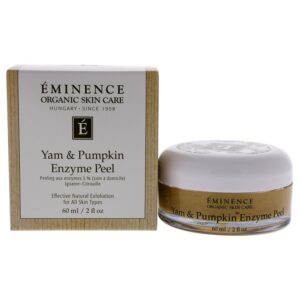
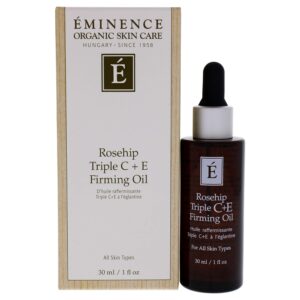
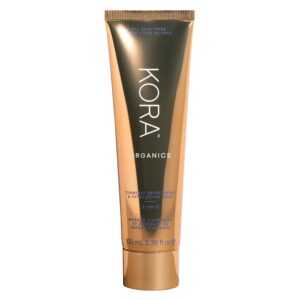
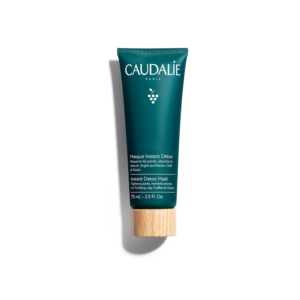
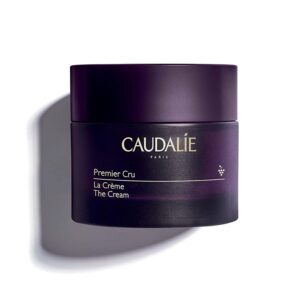
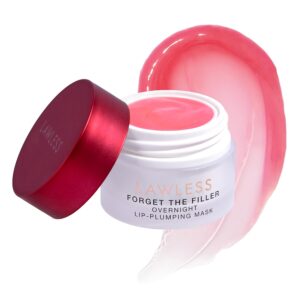
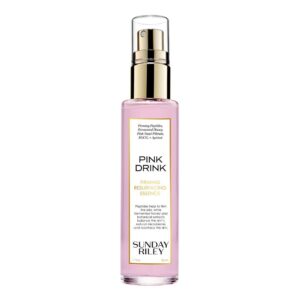
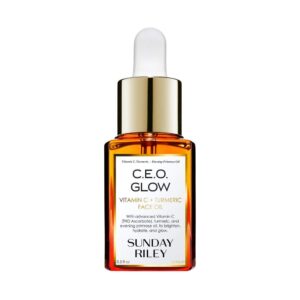
Shop some of my favorite clean skin care products: